An Extensive Summary of Anchoring Solutions for Your Next Project
A detailed understanding of securing systems is necessary for job success. Different types exist, consisting of mechanical, adhesive, and development supports, each matched for different applications. The choice of supports can substantially influence lots capability and material compatibility. Nonetheless, traversing this landscape calls for mindful factor to consider of a number of factors. What requirements should one prioritize to guarantee reliable anchoring remedies? Checking out these subtleties will reveal the very best methods for your details demands.
Understanding Different Kinds Of Anchoring Systems
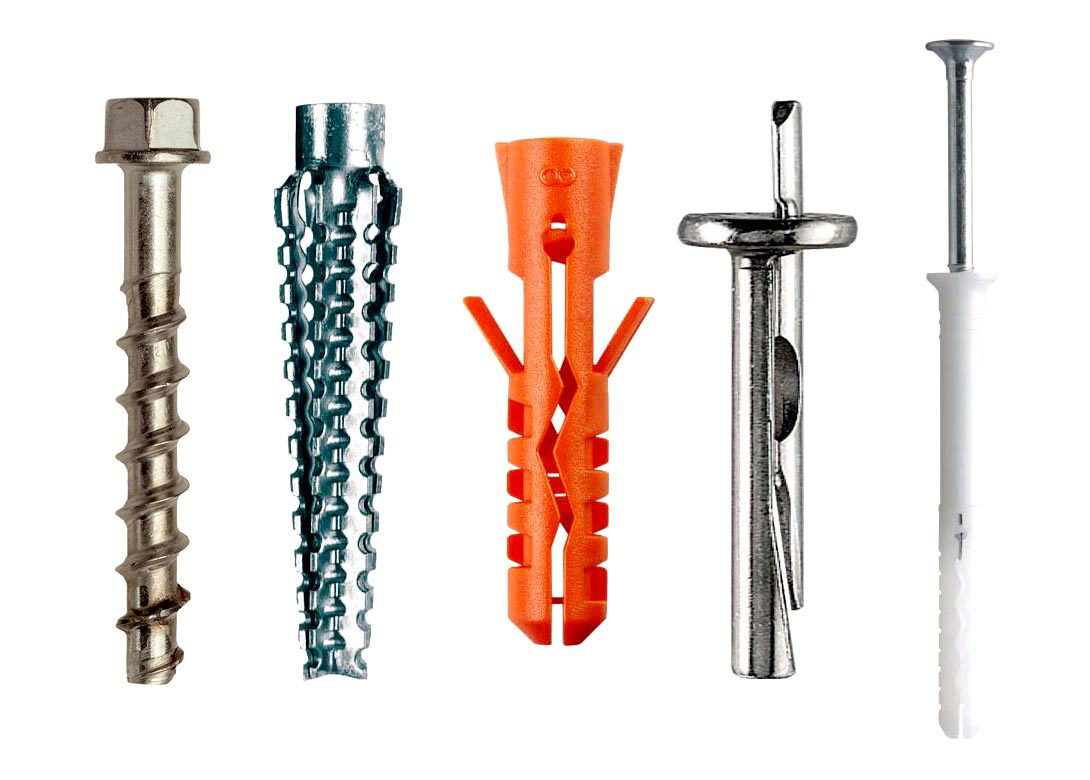
When discovering different anchoring systems, it becomes apparent that each type serves unique objectives and environments. Anchors can be categorized right into a number of kinds, consisting of mechanical, adhesive, and expansion supports. Mechanical anchors, such as wedge and sleeve anchors, job by physically grasping the base product, making them ideal for hefty lots in concrete or masonry. Sticky supports utilize chemical bonding representatives to secure themselves within drilled openings, supplying exceptional toughness in scenarios where typical mechanical anchors may not suffice. Expansion anchors, which include toggle bolts, expand within the base product upon setup, dispersing tons properly. In addition, specialty anchors, like those made for seismic applications, offer enhanced performance in dynamic conditions. Recognizing these varied anchoring systems is crucial for selecting the proper kind that meets specific job demands and environmental considerations, making certain security and structural honesty. Each support type adds uniquely to the success of construction and engineering jobs.
Applications for Concrete Anchors
Concrete anchors are widely utilized across various sectors as a result of their integrity and stamina in protecting structures. In building and construction, they play a vital role in attaching fixtures such as railings, shelves, and devices to concrete wall surfaces and floors, guaranteeing stability and safety and security. Additionally, concrete supports are important in facilities projects, where they secure bridges, road barriers, and signposts, adding to overall architectural integrity.
In the domain name of production, these supports are employed to attach machinery and heavy equipment to concrete surfaces, minimizing resonances and boosting operational efficiency. They also locate applications in the installation of exterior components like lighting and fencing, giving toughness versus environmental components. Concrete supports are used in the field of remodelling, allowing for efficient installment of brand-new elements in existing structures. On the whole, their flexibility makes concrete supports a substantial component across many industries, boosting both safety and performance.
Checking Out Screw-in Anchoring Options
Screw-in securing choices supply a practical solution for safeguarding fixtures in different concrete applications. These supports, typically designed as helical or spiral kinds, give boosted holding power as a result of their threaded layout that enables efficient involvement with concrete. Their installation is simple; users can just pierce a pilot opening and afterwards screw the anchor into place utilizing a compatible tool. This gets rid of the demand for large drilling or specific tools.
Screw-in anchors are especially useful in scenarios where minimal disturbance to the bordering product is wanted (Portable Building Anchors). Their convenience makes them ideal for a range of applications, from securing exterior furnishings to maintaining architectural elements. Additionally, they can be removed and reused, making them a cost-efficient selection for short-lived installments. In general, screw-in anchoring options offer a trustworthy technique for achieving safe and secure, reliable, and adaptable attaching options in concrete atmospheres
Variables to Think About When Selecting an Anchoring System
Selecting the proper securing system includes cautious consideration of different aspects that can significantly influence performance and integrity. Trick factors to consider include the kind of substrate, as various products require specific securing options for perfect grip. Lots requirements are additionally crucial; the system needs to support the anticipated weight and stress without failing. Environmental conditions, such as direct exposure to moisture or chemicals, can influence the sturdiness of the anchoring system, requiring materials immune to deterioration or degradation. In addition, installment simplicity you can try here and ease of access may affect the choice, specifically for projects with restricted area or specialized devices. Finally, regulative conformity and security criteria ought to lead decisions to guarantee that the anchoring system satisfies required lawful and performance standards. By assessing these elements, job why not look here managers can select an anchoring system that gives stability and long life, ultimately enhancing the general success of the task.
Ideal Practices for Installation and Upkeep
When a well-planned installment and upkeep strategy is implemented, the longevity and performance of an anchoring system can be greatly enhanced. Initially, it is essential to adhere to supplier standards during installation, guaranteeing that all components are correctly positioned and secured according to specifications. Correct website prep work, consisting of dirt screening and ecological evaluations, plays a significant role in the system's efficiency.
Routine upkeep checks must be scheduled to inspect for signs of loosening, wear, or deterioration. Cleaning up the anchoring components and surrounding areas from particles and impurities is crucial to protect against early failing. Furthermore, documenting all maintenance activities supplies useful information for future evaluations and adjustments.
Making use of high-quality products and devices throughout both setup and maintenance minimizes the risk of problems. In addition, employing experienced employees warranties that the anchoring system stays trusted, enabling for much safer and more efficient task end results.
Often Asked Concerns
What Are the A Lot Of Common Materials Used in Anchoring Equipments?

How Do Environmental Elements Affect Anchoring System Efficiency?
Ecological elements considerably affect securing system efficiency. Variables such as dirt type, dampness levels, temperature level changes, and seismic task can influence stability, load-bearing capacity, and total efficiency, demanding cautious assessment throughout job preparation and application.
Can I Recycle Anchors After Elimination?
The question of recycling supports after elimination relies on the kind and problem of the supports. Portable Building Anchors. Usually, if they show no indications of damages or deterioration, they might be securely reused for comparable applications
What Is the Lifespan of Normal Anchoring Equipments?
The life-span of normal anchoring systems differs based upon materials and environmental conditions. Normally, steel supports last 10-20 years, while plastic or composite options may last 5-10 years, relying on exposure and use aspects.
Exist Any Type Of Laws Pertaining To Anchoring System Setup?
Regulations relating to anchoring system installment vary by area and application - Site Security Anchors. Generally, they encompass security requirements, ecological factors to consider, and product specs, ensuring the systems satisfy necessary performance and sturdiness needs for their meant use
Anchors can be categorized into a number of types, consisting of mechanical, sticky, and development supports. Mechanical anchors, such as wedge and sleeve supports, work by literally grasping the base material, making them perfect for heavy lots in concrete or masonry. Sticky supports make use of chemical bonding representatives to protect themselves within drilled holes, providing phenomenal strength in scenarios where standard mechanical anchors may not be adequate. The most typical products used in securing systems include concrete, steel, and polypropylene. The inquiry of recycling supports after elimination depends on the kind and condition of the supports.